If you've been on fitness TikTok, walked through Target's snack aisle, or scrolled through any influencer's "what I eat in a day" — you've seen Alani Nu.
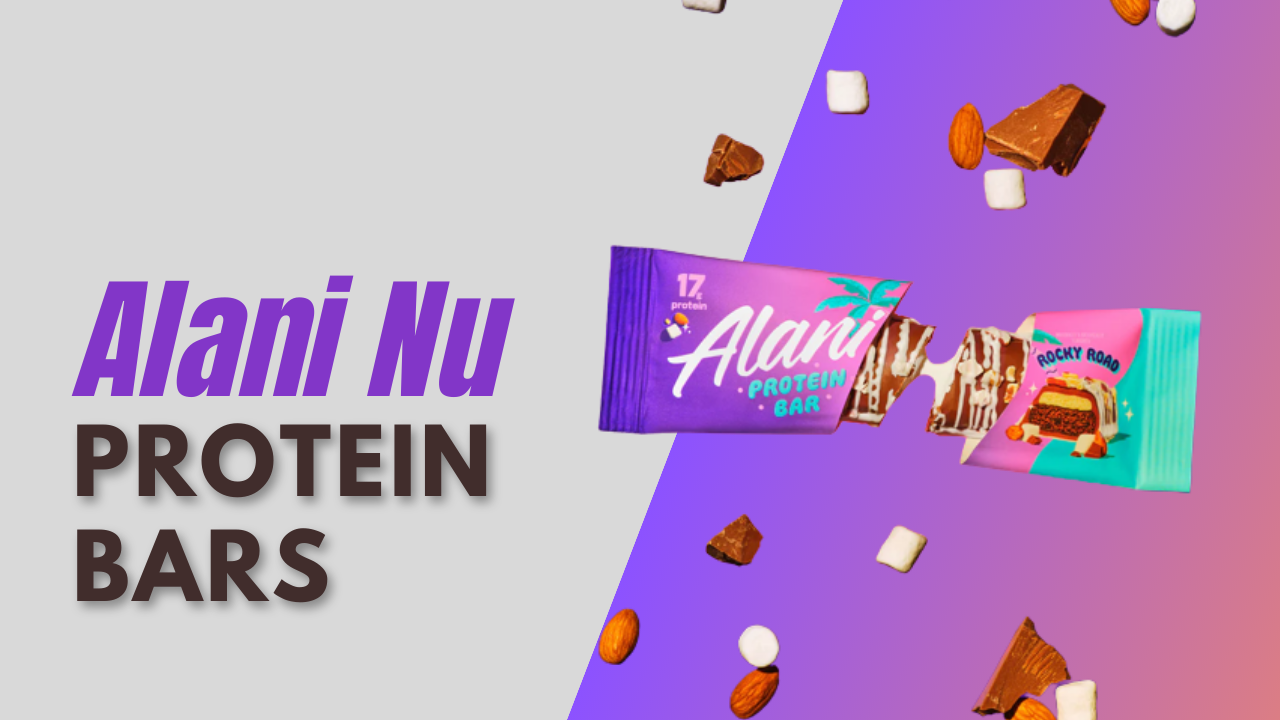
Founded by Katy Hearn in 2018, Alani Nu has grown from a women's supplement brand into a full-blown lifestyle empire. Their protein bars launched in 2021 and have quickly become one of the most talked-about options on the market.
But is Alani Nu actually good, or is it all marketing and pretty packaging?
Let's find out.
Here's what you're looking at per bar (45g):
The macro profile is respectable. 16g of protein is on the lower end compared to Quest (21g) or Barebells (20g), but the lower calorie count makes Alani Nu bars a solid snack option. The fiber content at 6–7g is decent and helps with satiety.
What stands out is the smaller bar size — 45g vs. the standard 55–60g. So per gram, you're getting a similar protein density, just in a smaller package.
Alani Nu uses a whey protein blend (whey protein isolate and whey protein concentrate). Both are complete proteins with high bioavailability, so the protein quality is solid.
However, the bars also contain gelatin and collagen, which are lower-quality protein sources. This is a common industry trick — use cheaper collagen to pad the total protein number. Some of that 16g is coming from collagen, not whey.
Not a dealbreaker, but worth knowing.
Here's what's in an Alani Nu Cookies & Cream bar:
Here's what stands out:
Palm Kernel Oil. This is in the chocolate coating and it's one of the cheapest, most processed fats available. Not a health food.
Sucralose. Yet another protein bar brand relying on artificial sweeteners. It's becoming the industry standard, which is unfortunate if you prefer clean ingredients.
Collagen + Gelatin. Combined, these pad the protein count with cheaper, less bioavailable protein. Alani Nu isn't transparent about how much of the 16g comes from whey vs. collagen.
If you want a protein bar without these ingredient compromises, check our cleanest protein bars guide.
Alani Nu currently offers:
The flavor lineup is smaller than Quest or Barebells, but they lean into fun, dessert-inspired flavors that appeal to their core audience. Munchies and Fruity Cereal are unique to Alani Nu and actually taste pretty creative.
Alani Nu bars have a soft, chewy texture with a thin chocolate coating. They're not as candy-bar-like as Barebells, but they're much softer than Quest.
The best flavors (Peanut Butter Cup, Munchies) taste genuinely good — sweet, satisfying, and not chalky. Some of the cereal-inspired flavors can taste a bit artificial, but that's par for the course with protein bars trying to replicate desserts.
The smaller bar size is a double-edged sword. It's a nice portion-controlled snack, but if you're expecting a substantial meal replacement, one bar might leave you wanting more.
Alani Nu bars sell for around $9.99 for a 4-pack ($2.50/bar) at Target, or $24.99 for a 12-pack ($2.08/bar) on Amazon. That's competitive pricing, but remember — you're getting a smaller bar (45g) with less protein (16g) than competitors at the same price point.
On a per-gram-of-protein basis, Alani Nu is actually one of the more expensive options.
They're not ideal for serious athletes needing 20g+ protein, clean-eating purists, vegans, or anyone who wants functional nutrition beyond basic macros.
Alani Nu is a tasty snack bar that happens to have protein. LyfeFuel's Essential Nutrition Bar is a functional nutrition bar built from the ground up — with plant-based protein, 28+ superfoods, 21 vitamins and minerals, 11g fiber, and zero artificial anything. If you're choosing between "tastes like dessert" and "actually feeds your body," the choice is clear.
Alani Nu bars are perfectly fine protein snacks — tasty, convenient, and well-marketed. But they don't stand out nutritionally. The protein count is low, the ingredients include the same culprits as every other mainstream brand (sucralose, palm oil, collagen filler), and the smaller bar size means less bang for your buck.
If you're buying protein bars because they look cute on Instagram, Alani Nu delivers. If you're buying them for actual nutrition, there are better options.
Are Alani Nu protein bars healthy?
They're healthier than a candy bar, but not as healthy as whole-food-based alternatives. Alani Nu bars contain sucralose, palm kernel oil, and collagen filler. At 16g protein and 170–190 calories, they're a decent snack — but "healthy" depends on your standards.
Is Alani Nu good for weight loss?
At under 200 calories per bar, Alani Nu can fit into a calorie-controlled diet. The 6–7g of fiber helps with satiety. However, the lower protein count (16g) means you might not stay full as long as with higher-protein options. For weight loss-specific picks, see our best protein bars for weight loss guide.
Why is Alani Nu so popular?
Marketing and branding. Alani Nu was founded by fitness influencer Katy Hearn and has built a massive social media presence. The colorful packaging, dessert-inspired flavors, and Target distribution have made it a lifestyle brand as much as a supplement company.
Does Alani Nu use artificial sweeteners?
Yes. Alani Nu bars contain sucralose. If you prefer bars with no artificial sweeteners, check our cleanest protein bars list.
Are Alani Nu bars vegan?
No. They contain whey protein, gelatin, and collagen — all animal-derived ingredients. For vegan options, see our best vegan protein bars guide.


Unearth the cleanest protein bars you can buy right now. (Some might even have superfoods)
Read MoreAt Protein Bar, we’re committed to helping you look and feel your best, which starts by raising the bar (pun intended) in the nutrition industry. We're currently in stealth mode, but you can join our waiting list to receive exclusive access to new products and become a beta tester!


