The primary focus of the keto diet is consuming as little carbs as possible while relying on healthy fats for energy. This balance of nutrients can be hard to maintain with your daily diet.
| Brand | Protein | Calories | Sugar | Key Feature |
|---|---|---|---|---|
| Quest | 21g | 200 | 1g | Low sugar, high fiber |
| think! | 20g | 230 | 0g | Zero sugar |
| Zing | 10g | 210 | 12g | Whole food, clean label |
| ONE | 20g | 220 | 1g | Birthday cake flavor |
| No Cow | 21g | 190 | 1g | Dairy-free, high fiber |
| Vega | 15g | 230 | 8g | Plant-based blend |
| LyfeFuel | 15g | 180 | 5g | Whole-food nutrition |
This is where keto protein bars come into play: your best go-to snack option with minimal carbs and high fat content to keep you in ketosis.
We've updated this list for 2026 with the bars that actually deliver on their keto promises — because as you'll see, not every "keto" bar is truly keto.
Before we get into the list, here's what makes a protein bar truly keto-friendly:

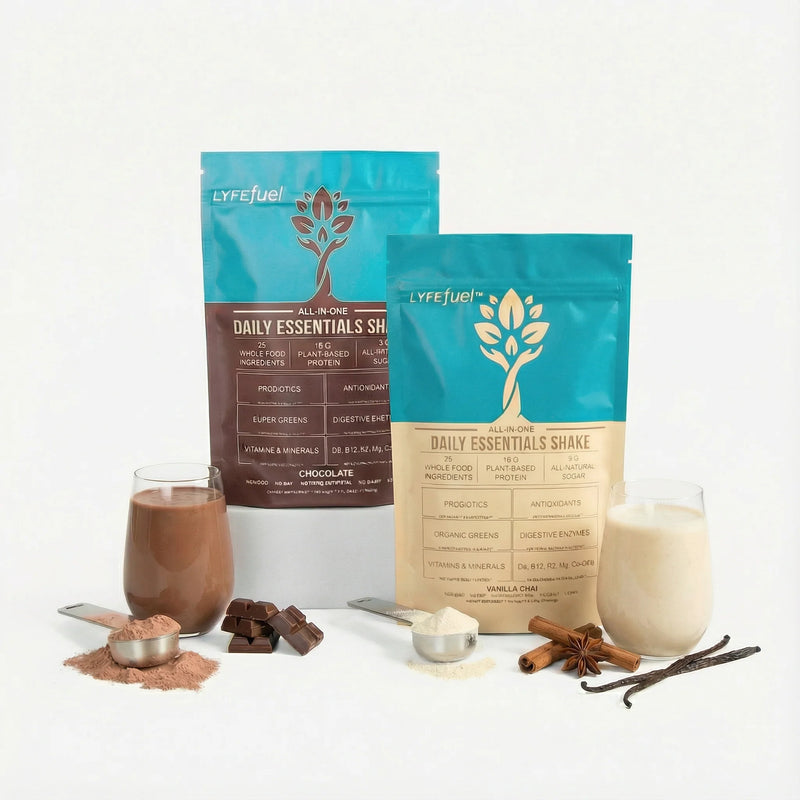
With only 9 grams of net carbs, 12g of plant-based protein, and functional superfoods including MCT Oil, LyfeFuel's Essentials Bar is one of the best options for keto dieters who want more than just macros.
What sets it apart is the addition of 11g of prebiotic fiber (fiber doesn't count toward net carbs and actually helps you stay full), 21 vitamins and minerals from whole food sources, and adaptogens like turmeric, ginger, maca, and cacao.
Most "keto bars" are essentially candy bars with the sugar swapped for sugar alcohols. LyfeFuel skipped that approach entirely — no sugar alcohols, no artificial sweeteners, no fillers. Just real whole foods. (More details in our full feature.)
Net Carbs: 9g | Protein: 12g | Fat: 10g | Fiber: 11g
✅ MCT Oil (ideal for keto)
✅ 11g Prebiotic Fiber
✅ No Sugar Alcohols
✅ 21 Vitamins & Minerals
✅ Vegan & Gluten-Free
IQ BAR is marketed as a "brain and body" keto bar. Each bar has 12g of protein, 3g of net carbs, and includes functional ingredients like lion's mane mushroom, MCT oil, and omega-3 fatty acids.
The focus on cognitive health ingredients makes it unique in the keto bar space. It's sweetened with a blend of stevia and monk fruit (no sugar alcohols), and the ingredient list is relatively clean.
The taste is decent but not amazing — some flavors work better than others. Chocolate Sea Salt is the crowd favorite.
Net Carbs: 3g | Protein: 12g | Fat: 11g
✅ Lion's Mane & MCT Oil
✅ Very Low Net Carbs (3g)
✅ No Sugar Alcohols
❌ Taste is hit-or-miss by flavor
Dang Bars keep it simple with a short ingredient list — around 8-10 ingredients per bar. They use almond butter as the base with 5g of plant-based protein and only 4-5g of net carbs.
These are more of a "fat bomb snack" than a high-protein option. But if you're doing strict keto and need a clean, low-carb snack that won't spike your blood sugar, Dang delivers. They're sweetened with monk fruit and taste like a treat without the guilt.
Net Carbs: 4-5g | Protein: 5g | Fat: 14g
✅ Very Clean Ingredient List
✅ High Fat (14g — great for keto)
✅ Monk Fruit Sweetened
❌ Low Protein (5g)
BHU makes organic, grain-free keto bars with clean ingredients. Their bars use almond butter, coconut oil, and prebiotic tapioca fiber as a base, sweetened with monk fruit.
The protein content is low (around 6g), but they're genuinely designed for the keto macros — high fat, very low carb, moderate protein. If you're strict keto and don't need a ton of protein from your bar, BHU is a solid choice.
Net Carbs: 2-3g | Protein: 6g | Fat: 15g
✅ USDA Organic
✅ Very Low Net Carbs (2-3g)
✅ High Fat (15g)
❌ Low Protein (6g)
No Cow's Dipped keto line delivers impressive macros: 17g of protein with only 2g of net carbs and 1g of sugar. They achieve this through a blend of brown rice and pea protein with soluble corn fiber.
The ingredient list is longer than some purists would prefer, and they do use some processed ingredients. But if you're focused on hitting protein targets while staying in ketosis, the macros speak for themselves. (Read our full No Cow review.)
Net Carbs: 2g | Protein: 17g | Fat: 9g | Sugar: 1g
✅ High Protein (17g)
✅ Very Low Net Carbs (2g)
✅ Vegan & Dairy-Free
❌ Longer Ingredient List
❌ Contains processed fibers

Quest is probably the most well-known name in protein bars, and their keto-friendly options deliver 21g of protein with around 4-6g of net carbs depending on the flavor.
They use a whey and milk protein blend (not vegan) with soluble corn fiber and erythritol for sweetness. The taste is among the best in the protein bar category — they genuinely taste like dessert.
The trade-off is the ingredient list — it's long, and includes ingredients like sucralose in some flavors. Not the cleanest option, but the macros and taste are hard to beat for keto. (Full breakdown in our Quest review.)
Net Carbs: 4-6g | Protein: 21g | Fat: 8-9g
✅ Highest Protein (21g)
✅ Great Taste
✅ Widely Available
❌ Contains Sucralose (some flavors)
❌ Not Vegan (whey + milk protein)
❌ Long Ingredient List
.png)
think! Keto bars have 10g of protein with only 3g of net carbs and 0g of sugar. They use a blend of peanuts, almonds, and whey protein, sweetened with stevia.
They're a good middle-ground option — not the cleanest ingredient list, but not the worst either. The chocolate peanut butter flavor is the standout. Widely available in grocery stores, which makes them a convenient everyday keto snack. (Read our think! review.)
Net Carbs: 3g | Protein: 10g | Fat: 14g | Sugar: 0g
✅ Zero Sugar
✅ Good Fat Content (14g)
✅ Widely Available
❌ Not Vegan (whey protein)
❌ Contains Vegetable Glycerin
The keto protein bar space has matured a lot since the early days of chalky, maltitol-loaded bars. In 2026, you have genuinely good options whether you prioritize clean ingredients, high protein, or just great taste.
Our recommendation: start with bars that avoid sugar alcohols entirely (LyfeFuel, IQ BAR, Dang, BHU). Your gut will thank you. Then if you need maximum protein, consider No Cow or Quest — just know you're making trade-offs on ingredient purity.
For more guides, check out our best low carb protein bars, cleanest protein bars, and best vegan protein bars.
Can protein bars kick you out of ketosis?
Yes — if they contain hidden sugars, sugar alcohols with high glycemic impact (like maltitol), or too many net carbs. Stick to bars with under 5g net carbs and clean sweeteners like monk fruit, stevia, or allulose. Also watch protein intake — very high protein bars (25g+) can trigger gluconeogenesis, where excess protein converts to glucose.
Are sugar alcohols keto-friendly?
It depends on the type. Erythritol and allulose have minimal impact on blood sugar and are generally keto-safe. However, maltitol and sorbitol have a significant glycemic response — nearly 75% that of regular sugar — and can knock you out of ketosis. They also frequently cause digestive distress. The cleanest keto bars avoid sugar alcohols entirely.
How many keto protein bars can I eat per day?
Most nutritionists recommend 1-2 bars maximum per day as a snack. Even with low net carbs, the calories add up (200-280 cal per bar). Track your total daily macros — don't just look at the bar in isolation. A keto bar should supplement your whole food diet, not replace it.
What's the difference between net carbs and total carbs?
Net carbs = total carbs minus fiber minus sugar alcohols. This matters for keto because fiber and most sugar alcohols don't significantly raise blood sugar. However, be cautious with maltitol — it has a high glycemic index and should arguably count toward your net carbs. Focus on bars that are low in net carbs from clean fiber sources.
But can a protein bar actually replace a meal? Read our take on whether protein bars can replace meals.
Need a quick morning option? Read protein bars for breakfast.
A newer meal bar option is Thriv Food Bar, designed as a full meal replacement.


Unearth the cleanest protein bars you can buy right now. (Some might even have superfoods)
Read MoreAt Protein Bar, we’re committed to helping you look and feel your best, which starts by raising the bar (pun intended) in the nutrition industry. We're currently in stealth mode, but you can join our waiting list to receive exclusive access to new products and become a beta tester!


