FitCrunch has carved out a unique niche in the protein bar market by delivering what most brands only promise — a bar that genuinely tastes like a candy bar while packing serious protein. Developed in partnership with celebrity chef Robert Irvine, these bars have become a gym bag staple for millions. But do the macros and ingredients hold up under scrutiny in 2026? We broke down every flavor, tested the texture, and compared them head-to-head with the competition.
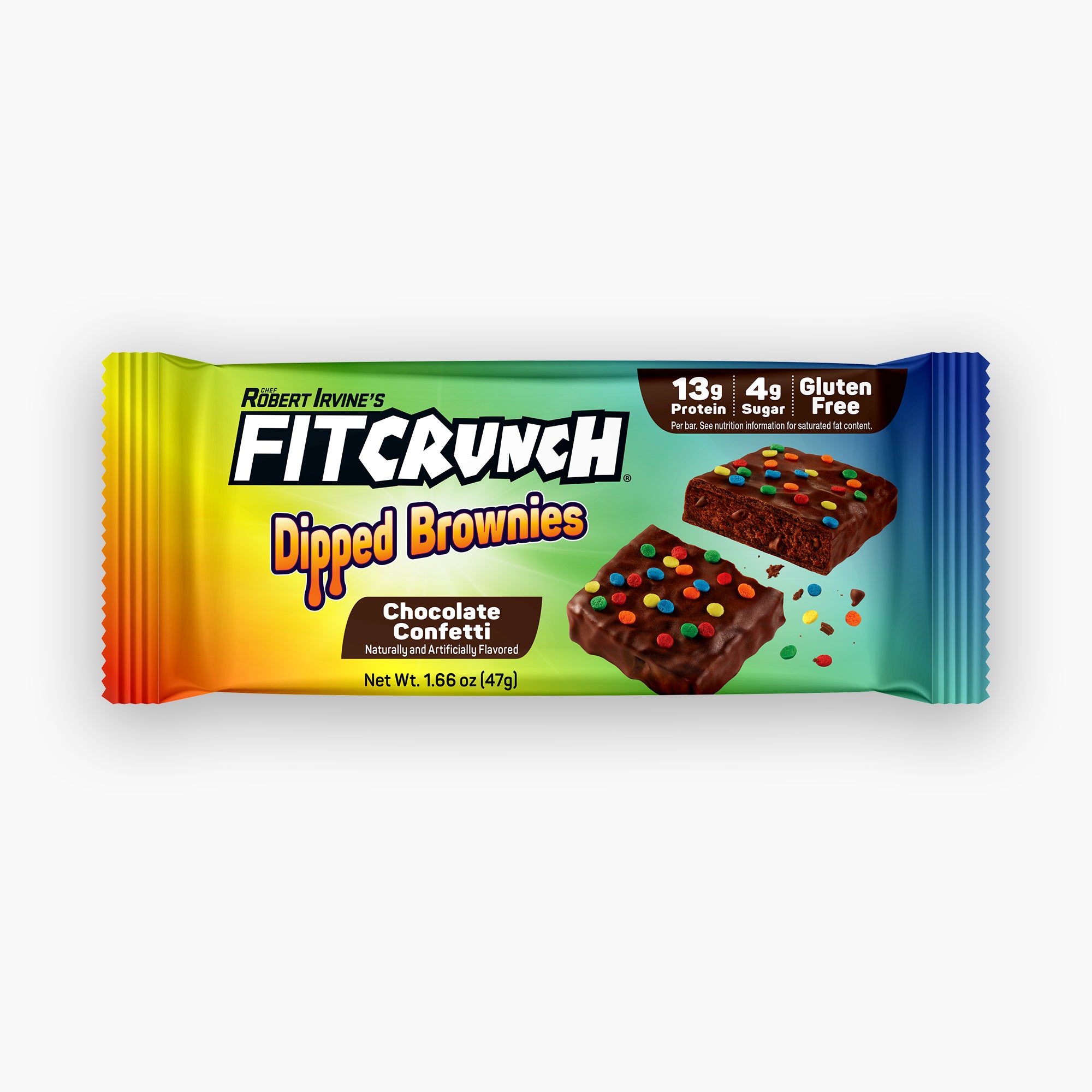
FitCrunch launched as a collaboration between Robert Irvine and the supplement brand Chef Robert Irvine's FIT Crunch (now simply FitCrunch). The brand's calling card is its six-layer baked bar technology — a construction that includes a soft cookie core, protein blend, chocolate coating, and crispy layers that create a texture closer to a Kit Kat than a traditional protein bar.
The brand has expanded from its original Peanut Butter flavor into a full lineup including a standard full-size bar (30g protein), a snack-size bar (16g protein), and a high-protein wafer bar. FitCrunch bars are widely available at Costco, Walmart, Amazon, and most supplement retailers.
Here's what you're getting in a standard FitCrunch bar (Chocolate Peanut Butter, full-size 88g):
The protein-to-calorie ratio is solid at roughly 1g protein per 12.7 calories — not the most efficient bar on the market, but reasonable for a bar this indulgent. The protein comes primarily from a whey protein blend (whey concentrate and whey isolate), which means fast-absorbing, complete protein with all essential amino acids.
The calorie count is on the higher side compared to competitors like Quest Bars (190 cal) or Barebells (200 cal). But that's partly by design — FitCrunch bars are substantially larger and more calorie-dense because of the chocolate coating and cookie layers.
This is where FitCrunch gets mixed marks. The bars deliver on taste partly because they use ingredients that cleaner brands avoid:
If you're looking for a clean-ingredient protein bar, FitCrunch isn't it. The ingredient list reads more like a premium candy bar than a health food. That said, if your primary goal is hitting protein targets and you want something that tastes incredible, the tradeoff may be worth it.
FitCrunch's flavor lineup in 2026 includes:
Across the board, FitCrunch consistently ranks among the best-tasting protein bars on the market. The six-layer construction creates genuine textural variety — crunch, chew, cream — that most protein bars can't match.
This is FitCrunch's superpower. The layered construction delivers:
Temperature matters with FitCrunch more than most bars. Room temperature is ideal. Refrigerated, the chocolate gets too hard and the layers don't blend as well. In hot weather, the chocolate coating melts quickly — these aren't great car bars.
FitCrunch pricing in 2026:
At Costco, the 18-count box typically runs around $22-25, making it one of the better protein-per-dollar values for a premium-tasting bar. Compared to Barebells ($2.50-3.50/bar for 20g protein), FitCrunch delivers significantly more protein per dollar.
FitCrunch is the protein bar you buy when taste is your number one priority and you're willing to accept a bigger calorie and ingredient hit for the experience. At 30g protein, it delivers serious protein — but at 380 calories with corn syrup and artificial flavors, it's closer to enhanced candy than clean fuel. For gym-goers who struggle to hit protein targets and want something that doesn't taste like cardboard, FitCrunch is hard to beat. For anyone prioritizing whole-food ingredients or lower calories, look at RXBAR or ALOHA instead.
Overall Rating: 7.5/10 — Best-in-class taste with middle-of-the-road nutrition and ingredients.
Fitcrunch Protein Bar contain 30g of protein per bar and approximately 190 calories. They can be a convenient protein source, but check the ingredient list for added sugars and artificial sweeteners. As with any protein bar, they work best as a supplement to whole foods rather than a dietary staple.
Fitcrunch Protein Bar are available at major retailers including Amazon, Walmart, and Target. Many grocery stores and supplement shops also carry them. Buying in bulk online often offers the best per-bar price.
Fitcrunch Protein Bar typically contain around 30g of protein per bar, though this can vary by flavor. Check the nutrition label for the exact amount in your preferred variety.
Fitcrunch Protein Bar contain approximately 32g of sugar per bar. Some flavors may use sugar alcohols or artificial sweeteners to keep sugar content low while maintaining sweetness.


Unearth the cleanest protein bars you can buy right now. (Some might even have superfoods)
Read MoreAt Protein Bar, we’re committed to helping you look and feel your best, which starts by raising the bar (pun intended) in the nutrition industry. We're currently in stealth mode, but you can join our waiting list to receive exclusive access to new products and become a beta tester!


