ALOHA and GoMacro both target the same consumer: someone who wants a plant-based protein bar made with organic, whole-food ingredients and minimal processing. Both brands sit in the premium tier, both emphasize sustainability, and both have loyal followings. Choosing between them comes down to what you prioritize: protein density, taste, texture, ingredient philosophy, or price.

We compared the two across every category that matters to help you decide which one belongs in your rotation.
ALOHA bars deliver 14 grams of protein per bar from a blend of organic brown rice protein and organic pumpkin seed protein. Calories range from 220 to 250 depending on flavor, with 10 to 14 grams of fat and 22 to 26 grams of carbohydrates. Sugar sits at 4 to 6 grams per bar, all from whole food sources. Fiber ranges from 9 to 14 grams, which is excellent.
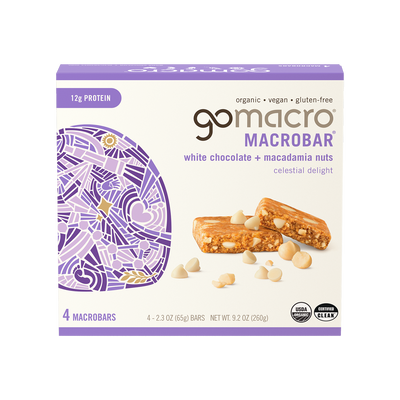
GoMacro MacroBars come in several lines, but the MacroBar Protein varieties deliver 10 to 12 grams of protein from organic plant sources. Calories run 260 to 300, with higher fat content at 11 to 14 grams. Sugar is higher at 8 to 12 grams per bar, primarily from organic brown rice syrup and dates. Fiber ranges from 2 to 4 grams, noticeably lower than ALOHA.
On pure macros, ALOHA wins. More protein, less sugar, more fiber, fewer calories. GoMacro delivers a more substantial bar by weight but with less favorable macro ratios for people focused on protein density.
Both brands use certified organic ingredients, which already puts them in the top tier for ingredient quality. However, their approaches differ.
ALOHA keeps ingredient lists short: organic brown rice protein, organic pumpkin seed protein, organic chocolate chips, organic coconut oil, organic maple syrup, and organic prebiotic fiber. Most flavors have 10 to 12 ingredients. No soy, no stevia, no sugar alcohols, and no artificial anything. The ingredient panel reads like a recipe you could make at home.
GoMacro also uses organic ingredients but tends toward longer ingredient lists. Organic brown rice syrup appears as the primary sweetener in most flavors, which is essentially a liquid sugar. The protein comes from organic sprouted brown rice protein, organic pea protein, and sometimes organic sunflower seed butter. Most flavors run 12 to 18 ingredients.
Both brands are vegan, gluten-free, soy-free, and Non-GMO Project Verified. ALOHA is also Certified B Corporation and uses recyclable wrappers. GoMacro is a Certified B Corp as well, manufactured in a family-owned facility in rural Wisconsin powered by 100 percent renewable energy.
Edge: ALOHA for shorter, cleaner ingredient lists. GoMacro for sustainability manufacturing practices.
This is where personal preference splits the two brands most clearly.
ALOHA bars have a firm, dense texture that is chewy without being sticky. The Chocolate Chip Cookie Dough and Peanut Butter Chocolate Chip flavors are the bestsellers, delivering a rich chocolate flavor with a nutty undertone. The bars do not taste overly sweet, which is a plus for people who find mainstream bars cloying. The pumpkin seed protein gives a slight earthy note that some people love and others notice negatively.
GoMacro bars are softer and chewier, with a texture closer to a thick energy ball. The Peanut Butter Chocolate Chip MacroBar is the fan favorite, with a gooey, peanut-buttery bite that feels indulgent. Oatmeal Chocolate Chip and Coconut Almond Butter are also strong. GoMacro bars taste sweeter overall, which appeals to people transitioning from conventional candy bars.
Both brands can taste slightly chalky in certain flavors due to the plant protein base, though ALOHA has minimized this in recent reformulations. GoMacro's softer texture masks the chalkiness better.
Edge: GoMacro for people who prefer softer, sweeter bars. ALOHA for people who want a firmer, less sweet bar with a more balanced flavor profile.
ALOHA bars retail at $2.50 to $3.00 per bar, with 12-packs running $28 to $32 on Amazon and the brand's direct website. That puts the cost per gram of protein at roughly 18 to 21 cents.
GoMacro bars are similarly priced at $2.75 to $3.50 per bar, with 12-packs at $30 to $38. However, because GoMacro delivers less protein per bar (10 to 12 grams vs. 14 grams), the cost per gram of protein is higher at 25 to 32 cents.
Both brands offer subscription discounts through their websites. ALOHA's subscribe-and-save drops prices by about 15 percent. GoMacro occasionally runs bundle deals that bring per-bar pricing down.
Edge: ALOHA, delivering more protein per dollar spent.
ALOHA is available at Whole Foods, Target, Amazon, and the brand's direct site. Distribution has expanded significantly in 2025 and 2026, making the bars easier to find than they were a few years ago.
GoMacro has broader retail distribution, available at Whole Foods, Sprouts, Trader Joe's (select flavors), Kroger, and most natural grocery chains. GoMacro also has a stronger presence in coffee shops, gyms, and specialty retailers.
Edge: GoMacro for in-store availability. ALOHA for direct-to-consumer convenience.
Choose ALOHA if you want more protein per bar, lower sugar, higher fiber, a shorter ingredient list, and a less sweet flavor profile. ALOHA is the better macro bar for fitness-focused plant-based eaters.
Choose GoMacro if you prefer softer texture, sweeter flavors, broader in-store availability, or you prioritize the sustainability story behind the brand. GoMacro is the better comfort-food bar for people who want a plant-based snack that feels like a treat.
Both are excellent choices in the plant-based protein bar category. Neither will disappoint if organic, vegan, and whole-food ingredients are your non-negotiables.
ALOHA uses a blend of brown rice and pumpkin seed protein that provides all essential amino acids. GoMacro combines sprouted brown rice and pea protein for a complete amino acid profile. Both deliver complete protein, though the total gram count differs.
ALOHA has the edge with fewer calories, more protein, more fiber, and less sugar per bar. Higher fiber and protein both support satiety, making ALOHA the more weight-loss-friendly option.
Both brands have nut-containing flavors. ALOHA's Coconut Chocolate Almond contains almonds. GoMacro's Peanut Butter flavors contain peanuts. Both brands offer some nut-free flavors, but check individual labels carefully since both are manufactured in facilities that process nuts.


Unearth the cleanest protein bars you can buy right now. (Some might even have superfoods)
Read MoreAt Protein Bar, we’re committed to helping you look and feel your best, which starts by raising the bar (pun intended) in the nutrition industry. We're currently in stealth mode, but you can join our waiting list to receive exclusive access to new products and become a beta tester!


