Gatorade is one of the most recognizable names in sports nutrition. Their protein bars promise the same performance-focused energy that made their drinks a sideline staple for decades. But does brand recognition translate to a genuinely good protein bar? We broke down the nutrition, ingredients, taste, and value to find out whether Gatorade protein bars deserve a spot in your gym bag — or if you're better off looking elsewhere.
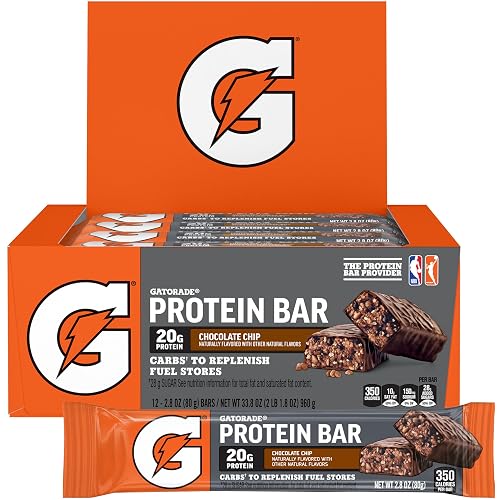
Gatorade, owned by PepsiCo, launched its protein bar line as an extension of its sports nutrition ecosystem. The bars are marketed primarily to athletes and active individuals looking for convenient post-workout recovery fuel. They're widely available at gas stations, grocery stores, convenience shops, and big-box retailers — making them one of the most accessible protein bars on the market.
The lineup includes the Gatorade Whey Protein Bar and the Gatorade Protein Bar with Almond Butter. Both are positioned as recovery bars designed to pair with Gatorade's hydration products for a complete sports nutrition stack.
Gatorade Whey Protein Bars deliver 20g of protein per bar, which is solid for the category. However, the macro profile raises some flags when you look beyond the protein number:
That sugar count is the elephant in the room. At nearly 30g of sugar per bar, Gatorade protein bars contain more sugar than many candy bars. For context, a Snickers bar has 27g of sugar. If you're eating protein bars for general health, weight management, or clean nutrition, this is a serious drawback.
The Almond Butter variant is slightly better with around 20g of sugar, but that's still high compared to competitors like Quest (1g sugar) or RXBAR (12-14g from whole food sources).
The ingredient list is where Gatorade bars lose more points. Beyond the whey protein base, you'll find:
Compared to cleaner bars like ALOHA or GoMacro, Gatorade's ingredient list reads more like a candy bar than a performance nutrition product. The protein sources themselves (whey isolate and milk protein isolate) are high-quality, but they're surrounded by ingredients that undermine the bar's health positioning.
Credit where it's due — Gatorade protein bars taste good. The Chocolate Chip flavor has a soft, chewy texture that's more enjoyable than many drier, chalkier competitors. The Almond Butter variant has a slightly more natural taste with a noticeable nut butter center.
The Cookies and Cream flavor is probably the most popular, delivering a sweet, dessert-like experience. If taste is your primary buying criterion and you don't mind the sugar content, these bars deliver. The texture avoids the common protein bar problems of being too hard, too gummy, or too grainy.
However, the pleasant taste is largely a function of the high sugar content. When a bar has 29g of sugar, making it taste good isn't exactly a challenge.
Gatorade protein bars typically retail for $1.50-$2.50 per bar depending on where you buy them. In bulk (12-packs), you can find them for around $1.50-$1.80 each. This puts them in the budget-to-mid range for protein bars.
The value proposition is mixed. You're getting 20g of quality whey protein at a reasonable price, but you're also getting nearly 30g of sugar and 300+ calories. If you calculate cost per gram of protein, Gatorade bars are competitive. If you factor in the overall nutritional profile, the value drops significantly.
There's a narrow use case where Gatorade bars actually make sense: post-workout recovery for high-intensity athletes who need rapid glycogen replenishment. The combination of fast-digesting whey protein and simple sugars can accelerate recovery after hard training sessions where you've depleted glycogen stores. Endurance athletes, in particular, may benefit from the carb-heavy profile.
If you fall into that category and you're burning through significant calories during training, the sugar content is less of a concern. The bars also work as a quick fuel source for people who struggle to eat enough calories.
For the majority of protein bar consumers — people looking for a healthy snack, meal replacement, or weight management tool — Gatorade protein bars are a poor choice. The sugar content alone disqualifies them for:
Stacked against the competition, Gatorade protein bars sit near the bottom for overall nutritional quality:
Gatorade protein bars ride on brand name recognition, wide availability, and decent taste. But the nutrition profile — particularly the 28-29g of sugar — makes them hard to recommend for most people. They're essentially a candy bar with added protein. If you're a serious athlete who needs rapid post-workout recovery fuel and doesn't mind the sugar, they'll do the job. For everyone else, there are far better options at similar or lower price points. The protein bar market has evolved well beyond what Gatorade is offering here.
Rating: 2.5/5 — Good protein source undermined by excessive sugar, processed ingredients, and a nutritional profile that doesn't match what most people want from a protein bar.
Gatorade Protein Bars contain 20g of protein per bar and approximately 200 calories. They can be a convenient protein source, but check the ingredient list for added sugars and artificial sweeteners. As with any protein bar, they work best as a supplement to whole foods rather than a dietary staple.
Gatorade Protein Bars are available at major retailers including Amazon, Walmart, and Target. Many grocery stores and supplement shops also carry them. Buying in bulk online often offers the best per-bar price.
Gatorade Protein Bars typically contain around 20g of protein per bar, though this can vary by flavor. Check the nutrition label for the exact amount in your preferred variety.
Gatorade Protein Bars contain approximately 30g of sugar per bar. Some flavors may use sugar alcohols or artificial sweeteners to keep sugar content low while maintaining sweetness.


Unearth the cleanest protein bars you can buy right now. (Some might even have superfoods)
Read MoreAt Protein Bar, we’re committed to helping you look and feel your best, which starts by raising the bar (pun intended) in the nutrition industry. We're currently in stealth mode, but you can join our waiting list to receive exclusive access to new products and become a beta tester!


